AMOC and the Gulf Stream
AMOC and the Gulf Stream
The disappearance of the Atlantic Meridional Overturning Circulation (Amoc) and particularly of the well-known Gulf Stream (which is a key part of it) is Europe’s climate tipping point, i.e. the event that, if happened, would radically and irreversibly transform our continent. Something that is unfortunately happening well before it was expected.
Recent studies by, among the others, the University of Copenhagen and the University of Utrecht have indeed anticipated the time horizon of a possible collapse from the 700-1000 years in the future the International Panel on Climate Change (IPCC) forecasted, to a mere 50 to 100. The Gulf Stream is indeed at the lowest level in 1,600 years, and anthropogenic climate change (and the melting of the Arctic and of Greenland in particular) is likely the culprit.
The impact on Europe of such an event would be devastating, and largely unknown: early estimates depict a freezing Great Britain with almost no more precipitations on farmland, but a heavy disruption of rain patterns, desertification and other significant changes would likely affect the continent as a whole. Simply, Europe as we know would not exist anymore.
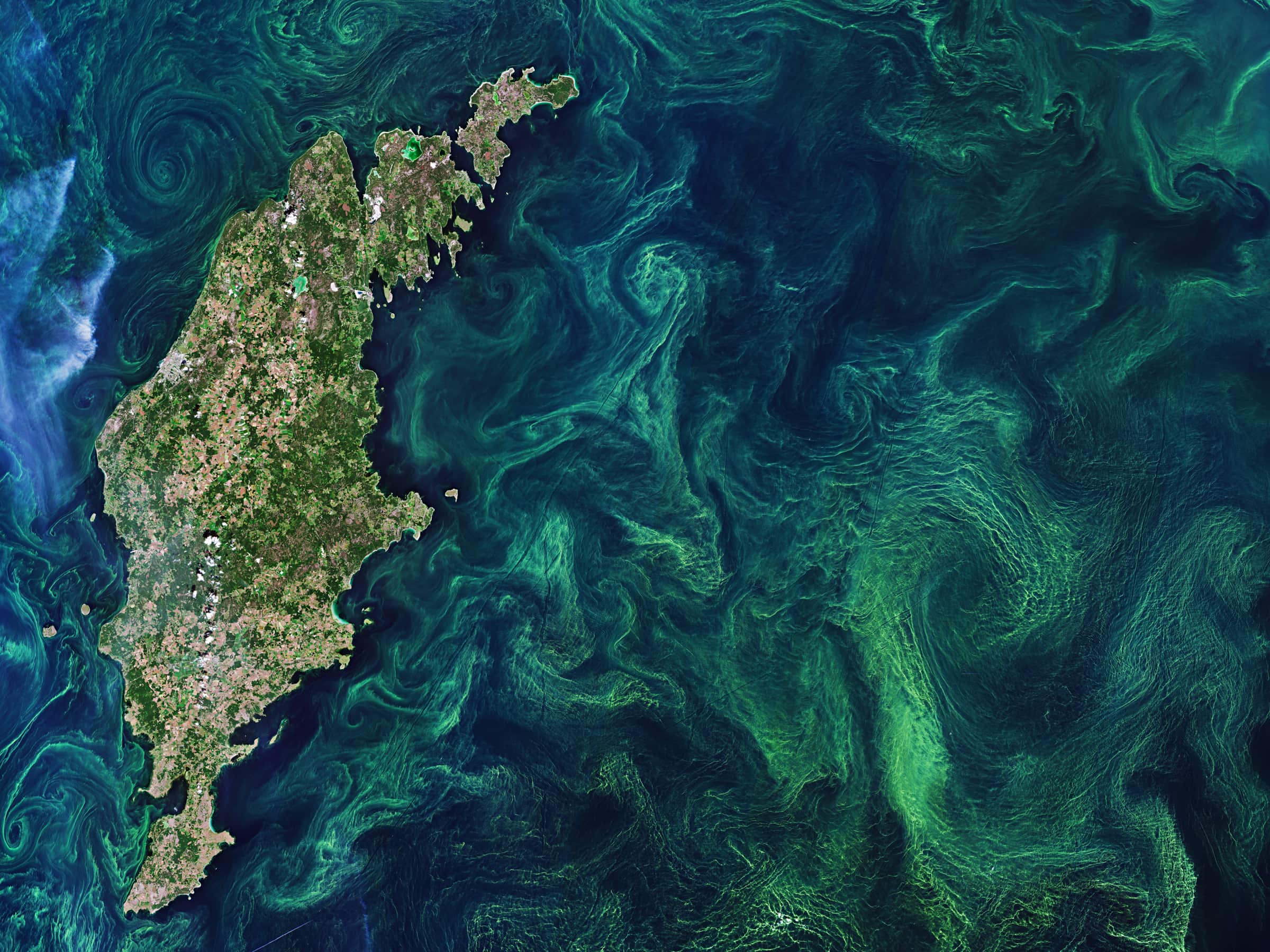
This is not without a solution; there is still time to mitigate climate change and prevent the collapse or at least reduce its brunt on Europe. It will require a mix of social, political, economic and technological solutions, from supporting the youth returning to the countryside, to raising awareness about the urgency of climate action. Satellite imagery will play a key role, and it already does: it is one of the best ways to measure the intensity of currents and their changes, and the only one that can provide a complete picture from one end of the Atlantic Ocean to the other. As estimation methods are improving each year, satellites will not only provide key data on climate change, but also crucial and very much practical information for Europeans – how fish stocks are moving, how navigation will be affected by the changing currents, as well as algae blooms and pollution, for instance.
What are the Amoc and the Gulf Stream?
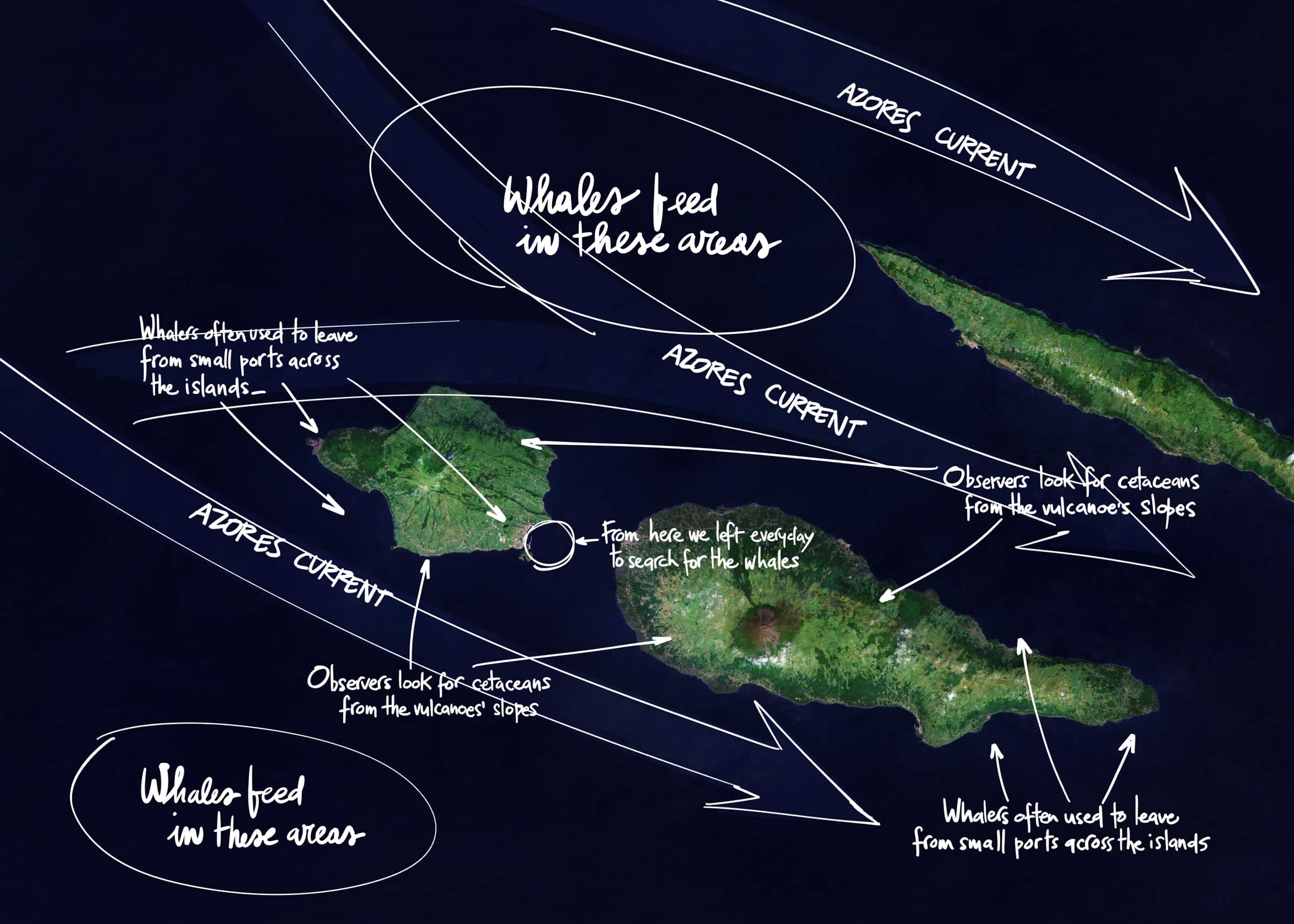
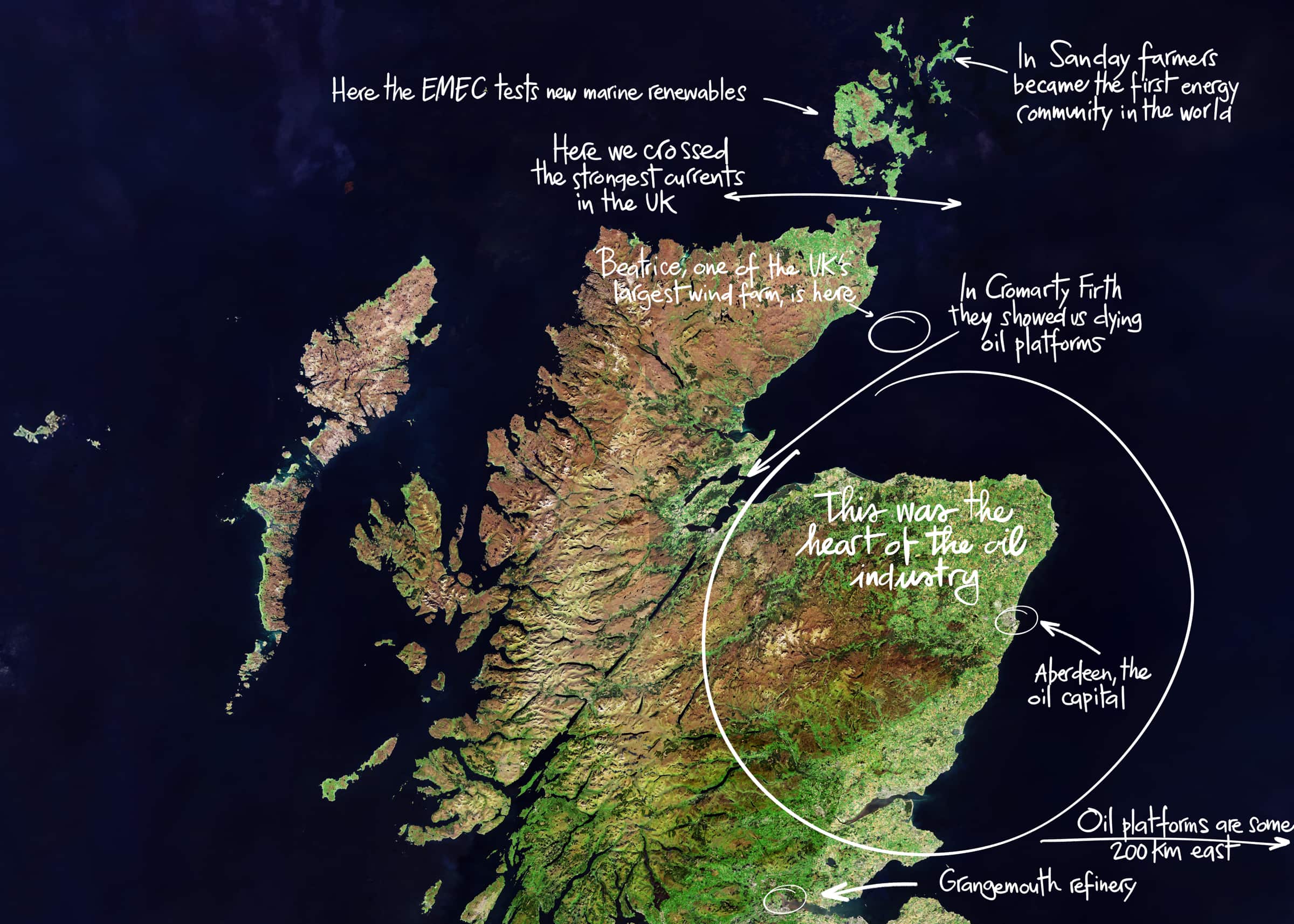
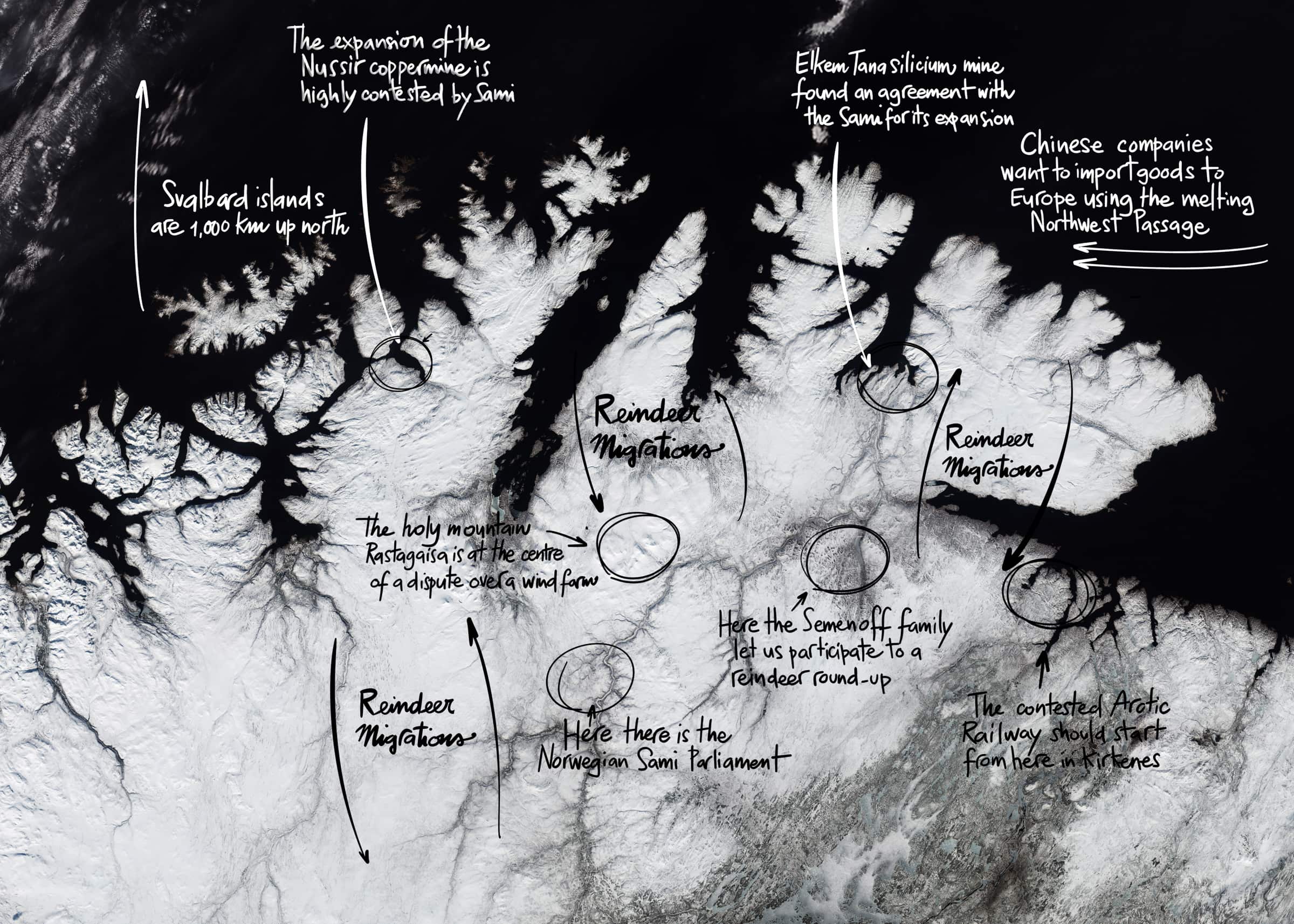
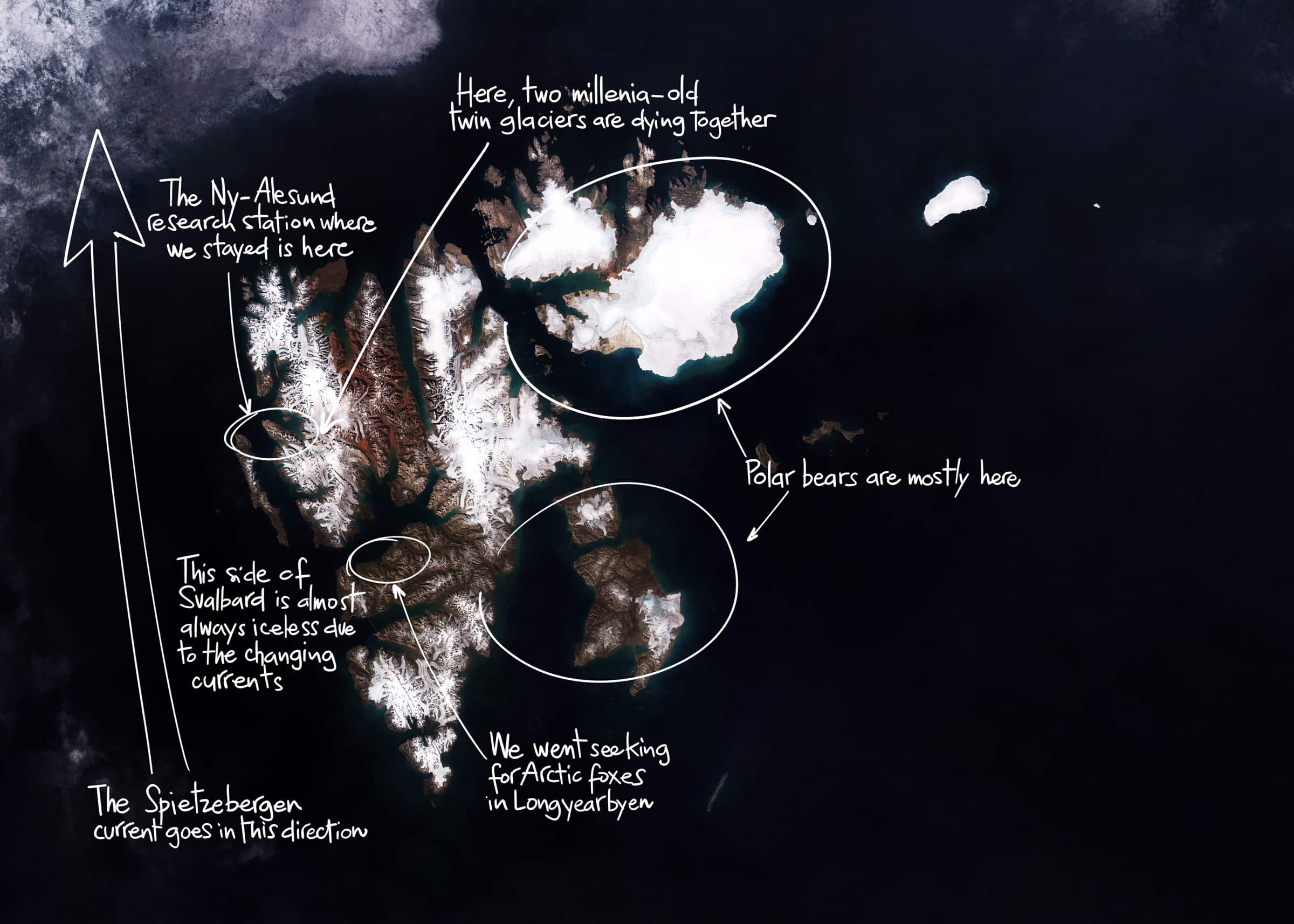
The Amoc is a system of currents located in the North Atlantic. Among other things, it crucially redistributes heat between warmer regions near the equator and northern areas. The Gulf Stream is one of its most important component: it starts from the Gulf of Mexico, and then divides into other currents (Azores, Norwegian, Spietzbergen current, for instance) once it reaches Europe.
How do they work and why are they slowing down?
There is still much uncertainty over the actual functioning of currents, but generally speaking they are driven by temperature and salinity: as the current move towards Europe it evaporates, becomes denser and colder, sinking deeper and then finally turning back. The melting of the Arctic ice, the increase in rainfall and other impacts of the climate crisis are however heavily disrupting this equilibrium. Some of the impacts of climate change we are witnessing could be already boosted by the currents slowdown.
What can we do to change this?
There are many actions we can take, mainly of two kinds. First, we need to deeply improve our understanding of the functioning of currents, and of the oceans in general, as they are at the same time the most important and least known element in the Earth climate system. New tools, such as satellite monitoring, will prove crucial. Then, we need to dramatically boost our climate change action – both mitigation (i.e. reducing our emissions) and adaptation (i.e. moderating the damages) – before it is too late.