

Biosphere
Biosphere
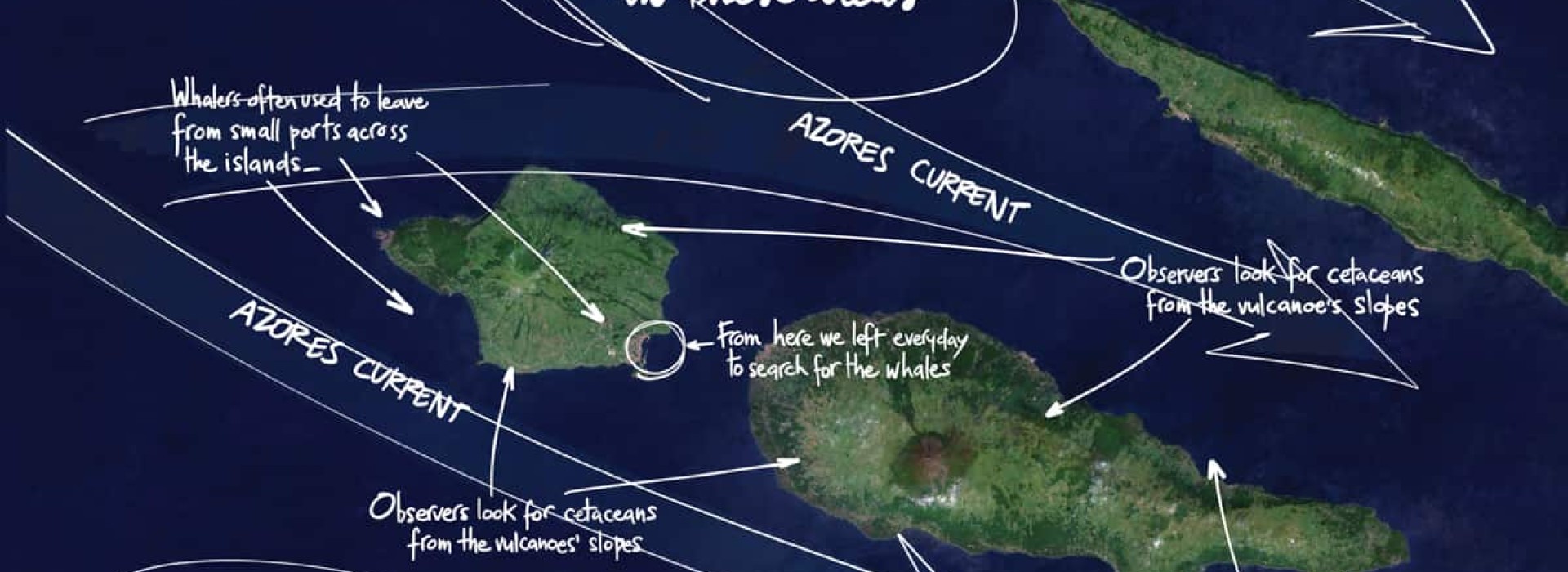
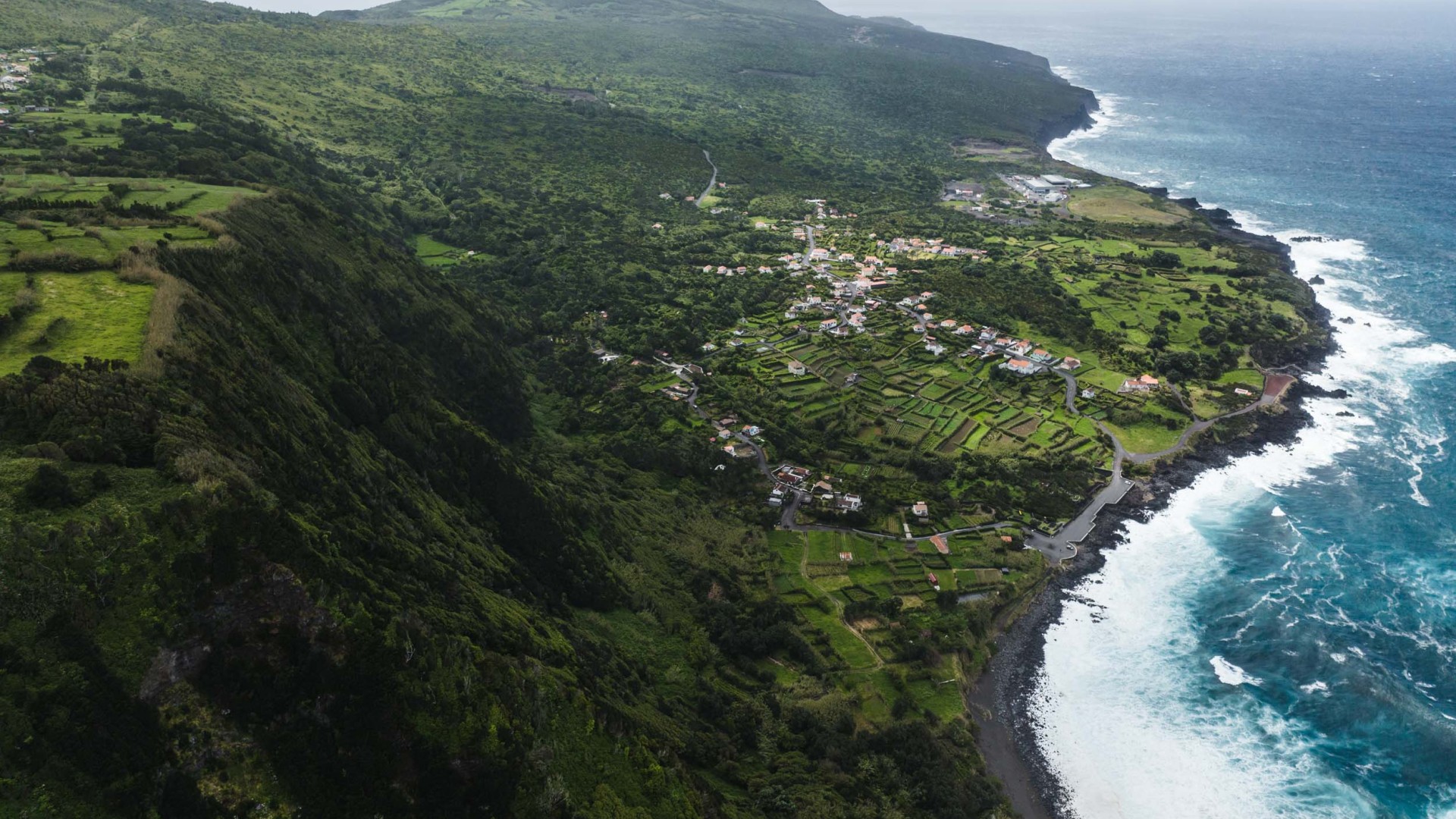
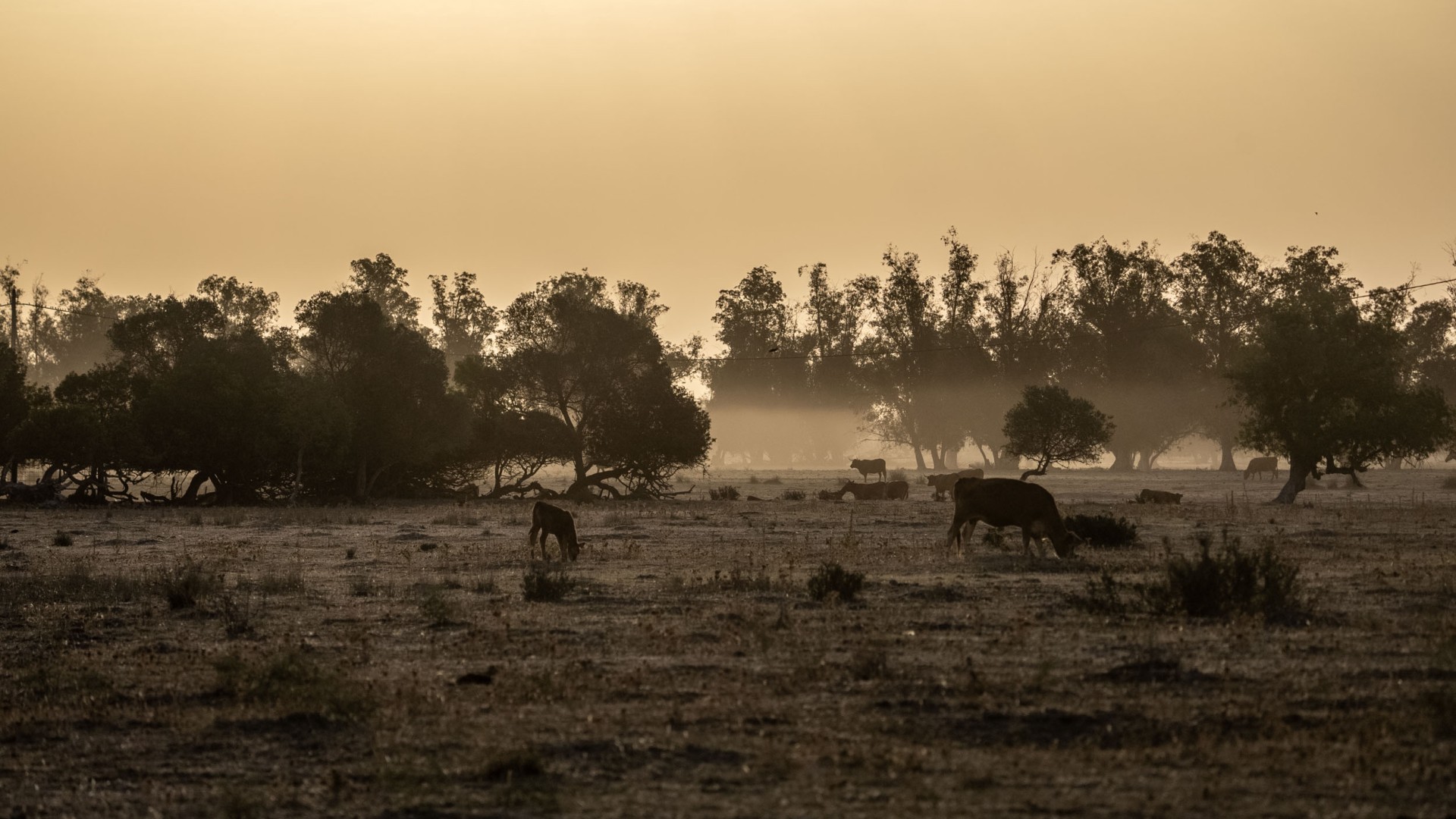
Our journey begins at the Westernmost point of Europe: the Azores. We are in the middle of the Atlantic, a crossroads of ocean currents that created a unique ecosystem, both above and under water. Then we move to the coast, landing on the beaches and lagoons of Doñana, a wetland that preserves a nature so rich and pristine many would not believe it exists in our continent.
It is a tale of unexpected beauty, and of looming threats. The disappearance of the Gulf Stream could turn the tepid, almost tropical climate of the Azores colder and much more arid. The collapse would accelerate the already fast advancement of deserts in Southern Spain, which is already facing the pressure of intensive agriculture.
Yet, neither the Azores nor Doñana will give up without a fight. Azoreans are protecting the whales they once hunted, proposing a sustainable approach to tourism the world desperately needs. The Spanish civil society, enforcement agencies, and local communities are trying to stop water theft in Doñana, and overturn the dramatic decline of its lagoons. Something is changing, for the better: there is hope for the last wild soul of Europe.
Azores
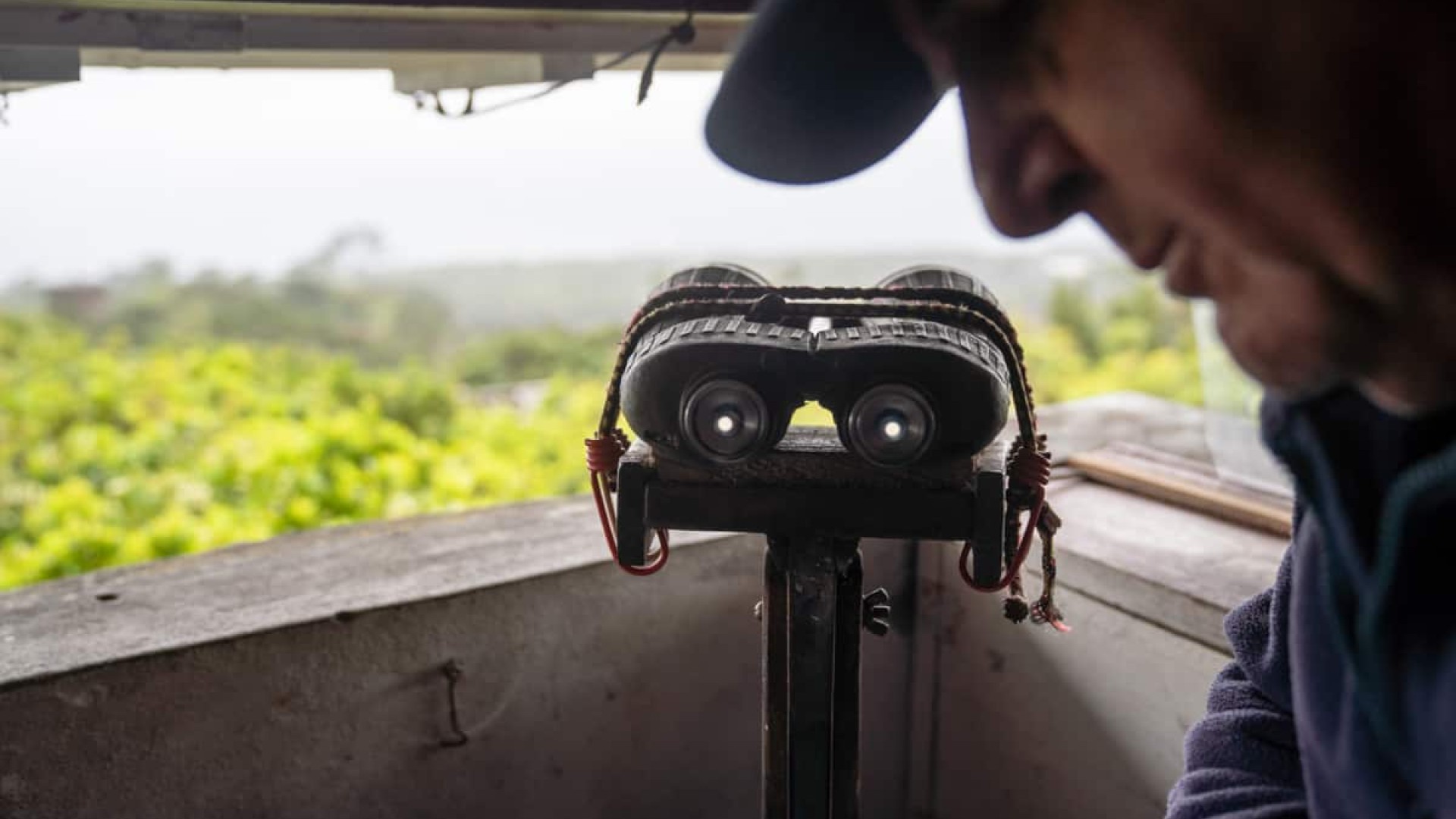
We spent our days in the Azores with some of the exceptional characters protecting this archipelago. Gisela Dionìsio and José Nudo are two researchers working on the animals that use the islands as a crucial stop in their thousands of kilometres–long migrations, feeding on the incredible richness of nutrients the islands offer. They are helped by an unexpected ally: Antero Simas Soares is a former whaler, who now offers his skills as spotter to researchers and whale watchers, and his intuitions often anticipates the scientists’ findings. It is an unexpected mix of technology and tradition, that is already offering insights into the changes brought by the currents slowdown, and which could prove crucial in preserving the Azores.
Doñana
Abbiamo trascorso le nostre giornate alle Azzorre con alcuni dei personaggi eccezionali che proteggono questo arcipelago. Gisela Dionìsio e José Nuno sono due ricercatori che si occupano degli animali che utilizzano le isole come tappa fondamentale nelle loro migrazioni lunghe migliaia di chilometri, nutrendosi dell'incredibile ricchezza di nutrienti che le isole offrono.
Sono aiutati da un alleato inaspettato: Antero Simas Soares è un ex baleniere che ora offre le sue capacità di avvistamento ai ricercatori e agli osservatori di balene, e le sue intuizioni spesso anticipano le scoperte degli scienziati. È un mix inaspettato di tecnologia e tradizione, che sta già offrendo spunti di riflessione sui cambiamenti portati dal rallentamento delle correnti e che potrebbe rivelarsi cruciale per la conservazione delle Azzorre.